
FREE AND NEXT DAY DELIVERY AVAILABLE

The Bulova Legacy

Founded in 1875 by Joseph Bulova in downtown Manhattan, the New York based Bulova has become one of the world’s best-known Swiss-Made watch brands.

Synonymous with innovation, quality craftsmanship and advanced technology, Bulova has always been a forward-looking company; mastering the classic art of Swiss timekeeping while always embracing the future.

Find out more about this incredible brand with the full Shade Station guide to Bulova. Link: Shop Bulova
Link: Bulova Website

The Bulova Brand:

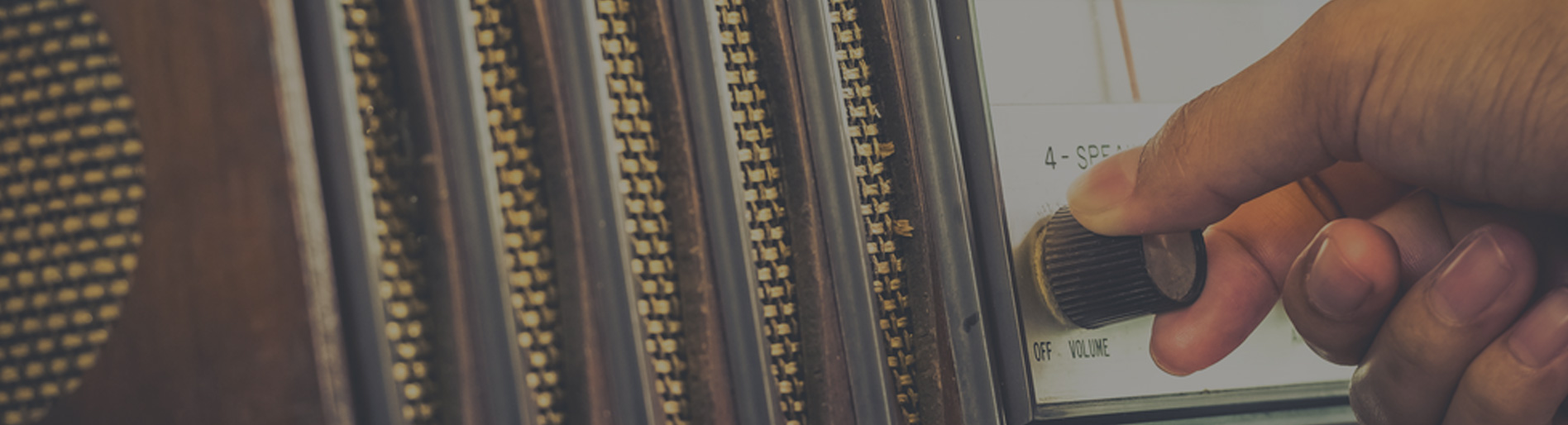
At the tone, it’s eight o’clock, Bulova Watch Time
The first advertisment broadcast on radio in 1926, heard by millions of Americans

The History

Bulova’s story starts with the classic American dream, with 23 year old Czech immigrant Joseph Bulova setting up a jewellery shop in New York in 1875. By 1911 he had branched out into pocket watches and table clocks, and by 1912 he had opened the first Bulova watch factory in Beil, Switzerland. The factory began a standardised mass production never seen in the world of watchmaking until then, setting the tone for Bulova’s continued innovation in the field.


Let’s have a look at the history of one of America’s most iconic brands...

Rollover each image to learn more:

Time is of the essence
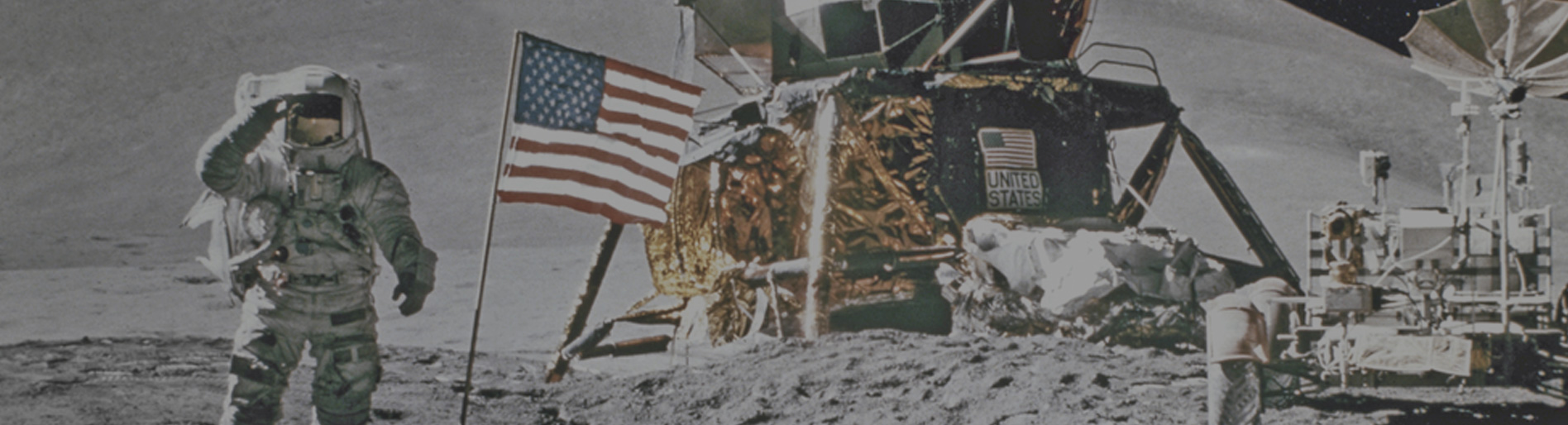
Commander David Scott, the seventh man to walk on the moon
Said during his Apollo 15 mission in 1971, during which he wore a Bulova Wrist Chronograph

The Space Race

In the 1960s, Bulova was involved in a Space Age rivalry with Omega Watches to be selected as the ‘first watch on the moon’. Although Omega’s Speedmaster Professional chronograph wristwatch was designated by NASA for use by astronauts, all instrument panel clocks and time-keeping mechanisms in the spacecraft on manned space missions were Bulova Accutrons with tuning fork movements, as NASA didn’t known how well a mechanical movement would work in low gravity conditions.

An Accutron 214 movement was placed in a communications relay device in the Sea of Tranquility during the Apollo 11 mission in 1969, helping to control vital data transmissions. In 1971, a Bulova chronograph was carried on board Apollo 15 (the fourth mission to land men on the moon), by Commander David R. Scott. Although all astronauts wore Omega Speedmaster wristwatches, mission commander Scott wore his Bulova watch during his third excursion to the moon’s surface, after the crystal on his Omega watch had popped off.

46
NASA missions in the 50s and 60s used Bulova’s Accutron timing devices
214
The Accutron movement placed on the moon in a communications relay device during the first moon landing
1m
The selling price ($) of the Bulova watch worn by David R. Scott in 1971

Present Day

In 2008, Citizen bought the Bulova Watch Company for $250 million, making them (together) the world’s largest watchmaker. Currently, Bulova designs, manufactures and markets several brands, including:

In 2010, Bulova introduced the Precisionist, a new type of quartz watch with ultra-high frequency (262.144 kHz) which is claimed to be accurate to plus or minus 10 seconds a year, and has a smooth, sweeping second hand as opposed to one that jumps every second.

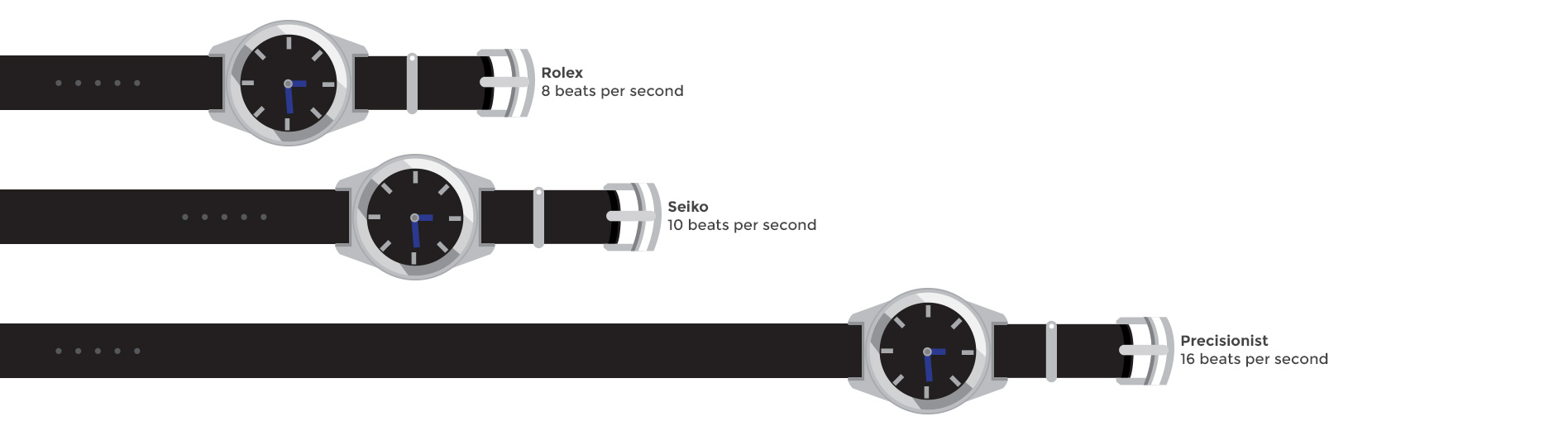
Bulova’s Precisionist’s second hand can sweep much smoother than high-beat automatic watches such as the Rolex Submariner or the Grand Seiko Hi-Beat 36000. This is becase of the number of beats per second each momement can run at:

In 2014, Bulova rebranded the ‘Accutron’ line as ‘Bulova AccuSwiss’, and introduced a new line of watches under the ‘Bulova Accutron II’ brand that features vintage Accutron designs fitted with a modified Precisionist movement.

In April 2015, Bulova moved its global headquarters to the world renowned and iconic Empire State Building in New York City.

Stay in Touch
Sign up for our newsletter to receive regular updates & exclusive offers.
Support
Close


Close
Logo

Shade Station Assistant

Need help?
Shade Station uses cookies to give you the best possible shopping experience. Learn more
Close